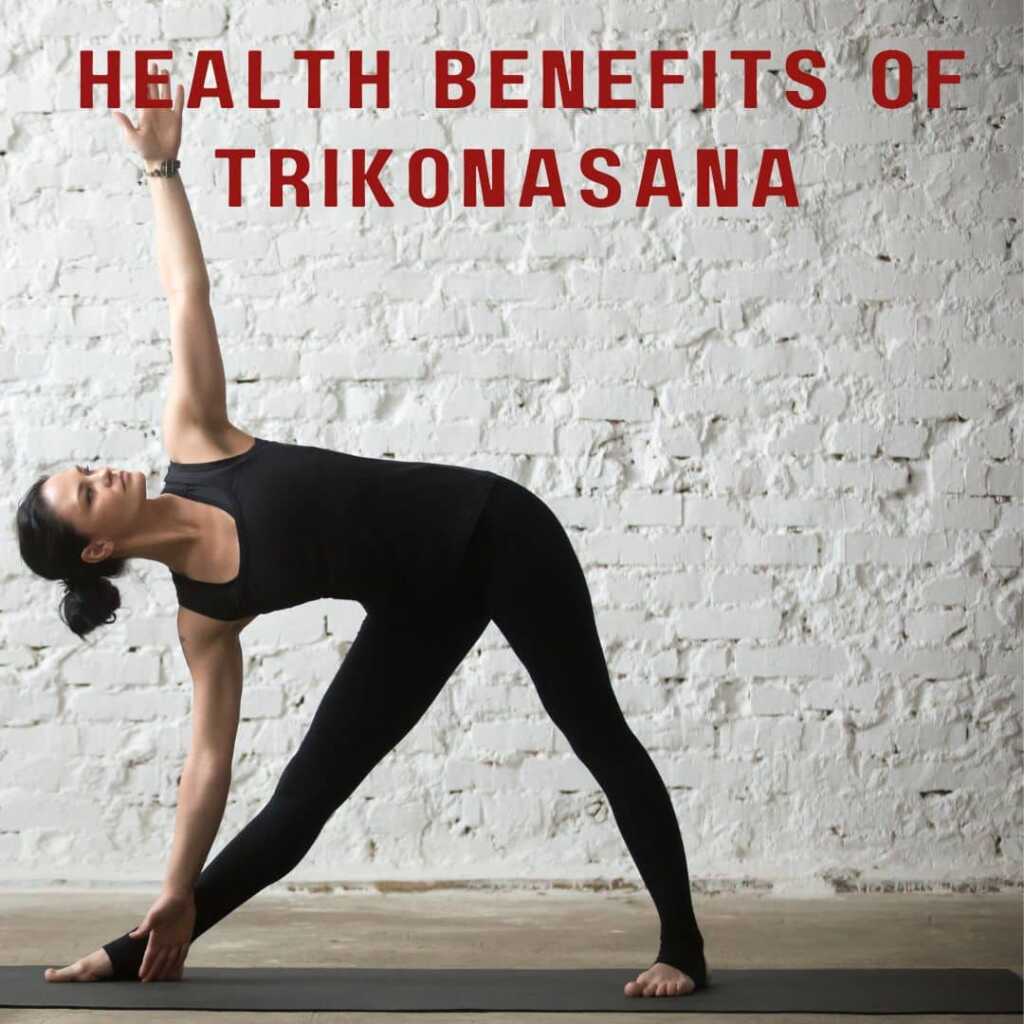
Yoga is timeless, and it has the power to make you feel good. With deep-rooted traditions taking centrestage, it leads individuals on a transformative journey. Each posture that you will come across in the realm of yoga, has a background story. It can affect you on a physical as well as on a deeper, spiritual level. One such posture or asana is Trikonasana. Also called the Triangle pose, it symbolizes the mystical power of three angles. It is a posture that, if done correctly can bring about huge change, in your very existence. Trikonasana is a standing asana, which connects the three planes – the mind, body, and soul. Before you start unearthing its benefits, it is important that you know, how exactly it is done. Let us decode the same here. How To Do Trikonasana? You need to stand tall on the mat, with feet together and toes slightly apart. Thereafter, expand your chest and allow the shoulders to relax. The hands should be by your side initially. In the very next step, you are supposed to raise both hands, until they are horizontal and parallel to the ground. Slowly move the right foot a few feet away from the left one. Inhale and bend your body to the right, wherein the right hand touches the right foot. The other hand moves straight upwards. The left palm has to face the front direction. You must gaze at the left hand, in the direction of the ceiling. Slowly, exhale. You can return to your original position, with feet together, after doing the same with the other side. Holding the posture for 5-10 breath counts yields the best results. How many times you practice this asana, depends on your fitness and enthusiasm levels. Health Benefits Of Trikonasana: This is a great asana for you if you are looking towards increasing your flexibility. It stretches the hips, spine, and the chest region as well. This asana provides you with a deep stretch that improves overall flexibility. You will find out soon, that the regular practice of this asana has a huge effect on your daily motion and activity. This is a pose that engages multiple muscle groups at one time. The legs, hips, chest, shoulders, and core abdominal muscles are all engaged. Thus, this enhances the basic foundation of the body. When you perform the Trikonasana, the body gets a deep stretch. The abdominal organs also get a thorough massage. This aids in digestion and also alleviates digestive issues like bloating. You can also get relief from back pain and stiffness, if you do this posture properly. It also removes stiffness from the legs and hips. If you are looking towards the improvement of balance and stability, then this is the asana for you. It helps one focus on body alignments and also reduces the chances of getting injured, on a daily basis. Trikonasana is a combination of controlled breathing and carefully chosen postures, which can help in reducing stress and tension. It also calms the mind. Your spinal health issues will go away forever, and you will be able to manage them in a better manner. The stretching motion of the asana on either side, helps in stretching the spine. Thus, improving overall health. Your upper body strength also improves manifold, when you do this asana practice. Your shoulder and chest muscles are also deeply impacted as a result of this practice. The leg muscles also get a thorough toning, if you practice this asana on a regular basis. The leg muscles include glutes, hamstrings, calves, as well as the quads. If you suffer from Sciatica, then you can practice this asana without any issues. Sciatica is a condition in which an incumbent faces constant pain and discomfort when their sciatica nerves are compressed in the daily course of action. Trikonasana practice on a daily basis, can help in reducing the pressure from the sciatica nerves. Moreover, regular practice of the asana also helps in supporting the muscles of the lower back. It also helps in normalizing the symptoms of menopause. Those women who are affected by menopause, have frequent mood swings and insomnia. Trikonasana helps in alleviating the symptoms. Additionally, Trikonasana also helps to improve blood circulation and hormonal balance. Your focus will also increase if you practice this asana on a regular basis. Those who suffer from attention deficits can practice this asana without a second thought. Trikonasana also boosts your vitality. So, you will experience higher energy levels. The deep stretch on either side of the body also opens up the chest and lungs, which leads to better oxygen absorption by the body. Your immune system also get a boost, if you practice Trikonasana on a regular basis. The stretches on either side promote better circulation and lymphatic drainage, which enhances overall health as well. If you practice this posture or asana regularly, your body structure will also improve. Your spine will be straight and supple, too. Precautions And Contraindications However, there are some aspects that you need to remember while doing this asana. You ought to avoid overstretching. Moreover, ensure to keep the knees straight. Those with blood pressure and heart conditions must practice this asana under a trained expert. If you have neck issues and pain, then also you should avoid too much strain. If you recently faced any sort of trauma in your spine, thigh, ankles, or abdomen, avoiding this asana will be a good decision. Pregnant women must also avoid this asana. Those suffering from migraine must also avoid this asana. Final Words Remember these pointers, while engaging in any yoga asana. This will help you to gain the best out of the practice. A trained Yoga teacher can help you to do the asana, with minor modifications. So, enrol yourself in a yoga school in Rishikesh to get the full benefits.
Complete guide Yoga Mudra – Introduction, Significance And Types
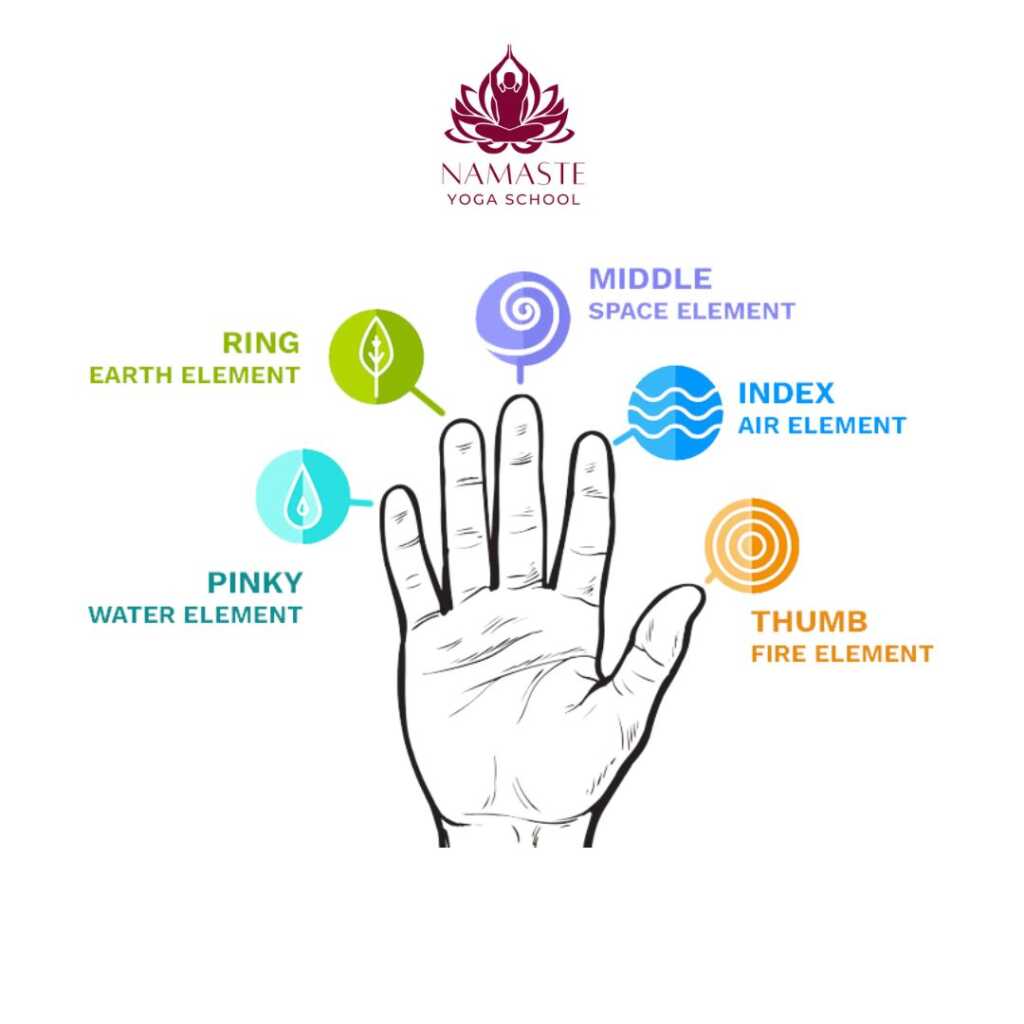
According to Sanskrit texts, mudra means ‘gesture’. There are different types of mudras in yoga. Some are hand-related, while some are face-head-related. Most yogis practice mudras along with asanas. It is believed to add more power to the asanas. Mudras mainly stimulate the nerve endings that are located in the fingers, adding more balance and improving overall well-being. Yoga Mudra can be combined with deep breathing and meditation as well. Let us decode, how the mudras work and impact the mind and health of an individual. How Do Mudras Work? Mudras have a connection with the brain, and that is why their practice can remove blockages, stimulate the release of mood-enhancing hormones, and boost vitality. You will find a mention of the mudras in the Vedic texts as well. It is quite rampant in Buddhism as well. If you study the human aura, in the realm of holistic sciences, you will come across different sheaths or layers. Mudras have the capacity to link each one of these. Additionally, if you practice mudras on a daily basis, it can help in the proper circulation of the ‘Prana’. Each mudra works on a different part of the body and impacts it. Anyone can practice yoga mudra, either with asanas, meditation, or plain breathing exercises. The most commonly practiced mudras are the ones that you do with your hands and fingers. It is important to exert the right amount of pressure, to gain maximum impact. Only then can you experience the flow of energy. You can practice a different mudra type each day, and hold it for a good 10-15 minutes for maximum impact. It is important to practice mudras after receiving some formal guidance from a professional. This way, you will be able to unearth all its benefits and also pave the way for the awakening of the Chakras. List Of Mudras With Pictures So, by now you are well aware of mudras and their significance. But before we decode the different types, it is important to know about the corresponding element associated with each mudra. When you practice mudras, the fingers act like electrical circuits. They can control and manipulate the flow of ‘Prana’, while promoting healing. When you practice mudras, you can seal off the energy in a particular region. Categorically speaking, there are five different ones. Common Mudras In Yoga Gyan mudra : It is also called the Knowledge mudra. You can practice Gyan mudra with all sorts of meditation. The index finger tip and the thumb tip come into contact with each other. And the other three fingers remain free. You can increase your brain power and concentration, through this mudra. Vayu mudra: Governed by the element air, you can do this mudra in any position. In this mudra, you have to fold the index finger, while the thumb folds on the former. The remaining three fingers stay extended. This mudra is an excellent gas remover and aids in alleviating many other digestive issues. Prithvi mudra: Practice this in the morning time, for maximum efficacy. You can sit in meditative positions and just rest the palms of the hands on the knees. The ring finger tip and the thumb tip join, in this mudra. The other three fingers remain extended. This is an extremely energizing mudra. It is also believed to strengthen weak bones. Varun mudra: You can practice this mudra, to enhance your natural beauty. It has great effects on the quality of the skin. You have to bring the tip of the little finger and the thumb in close contact with one another, and press. The other fingers remain free and extended. This mudra balances the water content in the body and also positively impacts fluid circulation Prana mudra: This is the mudra that symbolizes the spirit of life. You must practice this mudra in a quiet room, to get the best results. Bring the tips of the little finger, ring finger, and the thumb, together, exerting little pressure. Practice for 15-30 minutes, for all the benefits. Final Words: Mudras are very powerful, but you need to learn how to use them. If you join a yoga teacher training course at one of the most renowned yoga schools, Namaste Yoga School, then you be able to get the best knowledge and guidance. Practice mudras to get the best out of your yogic practice today. It will simply change the way you live.
Yogic Diet: Nourishing Your Body, Nurturing Your Soul
From the topic, you must have already understood, that there is more to yoga than just poses and breathing techniques. To be exact, yoga is a spiritual philosophy, like some of the other schools of philosophy. And, it sinks its roots in yogic wisdom that facilitates the adoption of a healthy lifestyle and spiritual practices. In this context, you should know that yogic nutrition plays a big role in promoting a yogic way of life. You will come across yogis who are completely vegetarian or vegan, having eliminated meats from their diet. Some also stay away from stimulating foods like coffee, tea, and alcohol. The main reason behind following a yogic diet is that it leads to better absorption of the divine energies. So, let us dive straight into yogic diet, and find out the basis of such diets and different types. It will aid you in your spiritual journey. What Is The Yogic Diet All About? Yoga scripts from ancient times, stress unprocessed, fresh food which aids in all sorts of growth. It also aligns with the philosophy of yoga. There are certain yogic principles that trace the path back to Patanjali’s Yoga Sutras. The main principles herein are: According to yogic principles, it is said that light, plant-based food can be digested easily. This allows the yogi to divert the body’s energies to more fruitful tasks of the higher order. So, this brings us to the question, ‘How to follow this yogic food diet? Let us find out the answers here. Guide To Following The Yogi Diet You can bring about the desired changes in your life, by following a yogic diet. It is one of the best pathways to get the mind, body, and the soul onto one plane. If you follow the above guidelines, then your yogic journey will be very fruitful. You can gain complete knowledge of yogic nutrition, as a part of the course in yoga at Namaste Yoga School. It has been laid down in a separate chapter altogether, due to its important nature. Diets Based On Three Gunas So, by now, you may have attained a lot of knowledge on the sattvic diet, which is for yogis. However, as a practitioner or enthusiast, it is also very important for you to know about Rajasic and Tamasic diet. A Rajasic diet mainly consists of hot, bitter, dry, salty, and sour foods. These if ingested in excess, can destroy the equilibrium of the body. However, too much of these, like onions, garlic and chillies can throw you off balance. You must keep in mind, that hurried eating is also Rajasic. Secondly, a Tamasic diet draws out every bit of ‘Prana’ that you generate with yoga practice. It is the reason behind inertia and bad thoughts, as well. Alcohol, tobacco, and fermented foods like vinegar fills one with dark emotions. So, you must avoid these altogether. Understanding the Sattvic, Rajasic, and Tamasic Diets: Characteristic Sattvic Diet Rajasic Diet Tamasic Diet Quality Pure, fresh, light Stimulating, intense Stale, heavy, over-processed Taste Sweet, mild, bland Spicy, sour, salty, bitter Pungent, bitter, excessively salty or sweet Effect on Body Promotes clarity, calmness, detoxification Increases energy, motivation, heat Creates sluggishness, dullness, heaviness Effect on Mind Promotes peace, focus, well-being Increases passion, ambition, competitiveness Creates negativity, confusion, laziness Examples Fresh fruits & vegetables,Whole grains (brown rice, quinoa)Nuts & seeds (almonds, sunflower seeds)Dairy (milk, ghee)Honey Spicy foods (chili peppers, onions, garlic)Meat,Coffee & tea Eggs,Chocolate Stale or processed foods<br>Fried foods Excessive sugar or refined carbohydrates Leftovers,Overly salty foods Digestion Easy to digest, promotes regularity Can be stimulating to the digestive system, may cause heartburn in some Difficult to digest, can lead to constipation and sluggishness Seasonality Emphasizes seasonal and local produce for optimal freshness and nutritional value May not prioritize seasonality, focusing more on the stimulating qualities of the food Less emphasis on seasonality, may include processed foods available year-round Ayurvedic Herbs & Spices Light herbs like fennel, cardamom, and coriander are favored Heating spices like ginger, black pepper, and chili peppers are commonly used No specific recommendation, may include leftover spices that have lost their potency Ideal For Meditation, yoga, spiritual practices Active lifestyles, athletes, creative pursuits Not recommended for regular consumption Overall Impact Promotes overall well-being, vitality, and longevity Can be beneficial for short bursts of energy but may lead to imbalances if consumed excessively Detrimental to health and well-being in the long run Finally… Make healthy choices in food and lifestyle as a yogi. Conscious choices will help you to remove all sorts of attachments that serve as an impediment in your yogic journey. Instead, create fruitfulness in every aspect through a Sattvic diet. Namaste Yoga School is the place to go to, if you want more knowledge on these aspects.
Best 10 Yoga Pose For Beginners
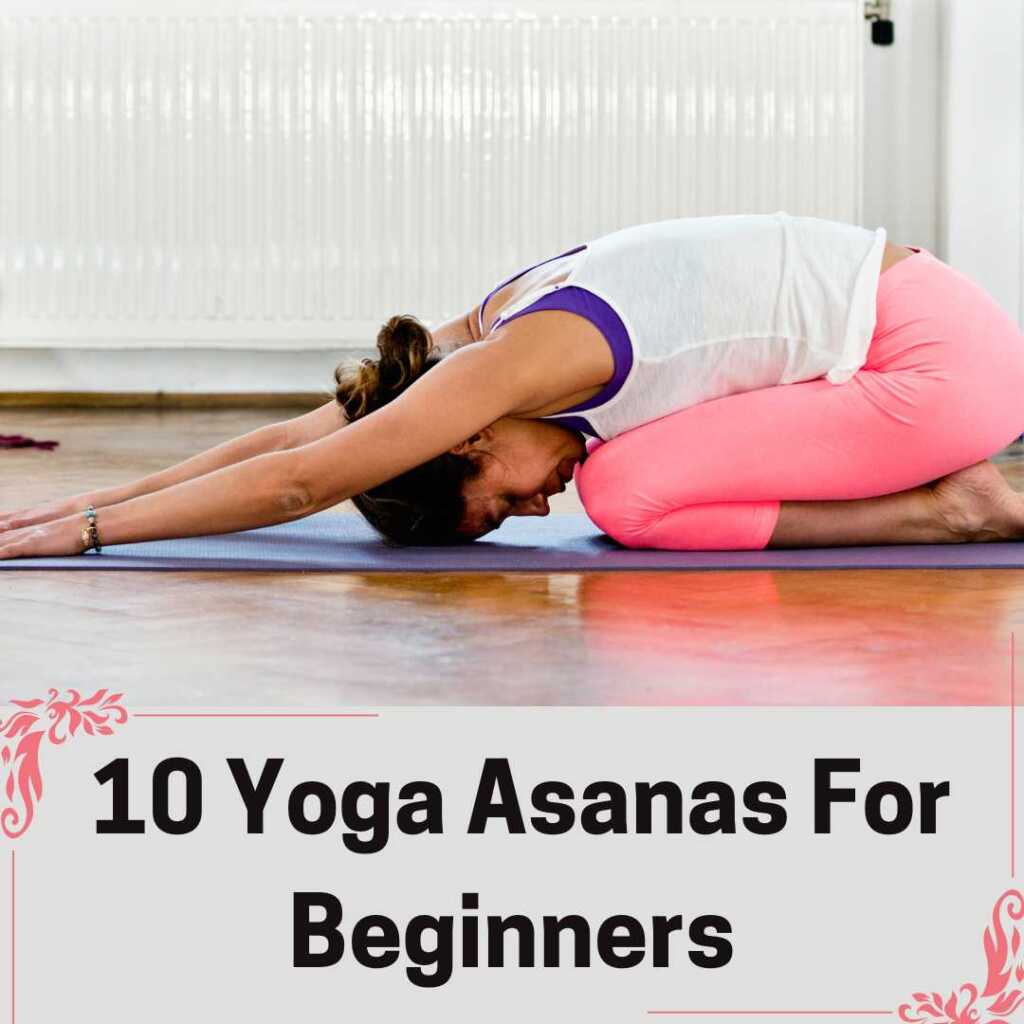
Are you looking to incorporate yoga into your daily exercise regimen? Then, you have made the right decision. There is so much going on around the globe about yoga that you will get much support today. Moreover, the benefits are astounding. So, if you have never done yoga before, you still have many yoga poses for beginners to try out. Let us delve into the 10 yoga poses for beginners, which you can do anytime, anywhere. Remember to seek guidance from a yoga school of repute to do the asana or pose according to guidelines. It will also help you avoid injuries. 10 Yoga Poses For Beginners Decoded Conclusion So, now you know about the 10 yoga asanas names that are beneficial for good health. Even if you have never done these before, you can start now. Enrol in a yoga course at one of the most acclaimed yoga schools in Rishikesh, Namaste Yoga School, and learn everything in detail. You will be able to master the poses in no time. Beginner poses like these will help you to establish your practice in yoga. So, without any more delay, go and join the course now.
The Ultimate Guide to Pranayama: Definition, Types, and Benefits Unveiled
Pranayama has being practiced since time immemorial. If you delve into the Vedic texts and even before that, you will find its mention. It is so many centuries old that tracing its exact origins may be a tad difficult. The art and science of Pranayama have been passed on from one generation to another by the greatest yoga Gurus. They realized the importance of Pranayama so much, that the techniques are used in almost all rites. Priests still practice Pranayama during rituals related to birth, death, marriage, and other auspicious occasions. However, you can unearth the benefits of Pranayama, only if you know the background and understand its implications. Pranayama practices come under Hatha Yoga as well as Tantra Yoga. Patanjali recognized it as one of the important limbs of the eight-limbed theory as well. You must practice Pranayama, after performing the basic poses like Padmasana. It has meditative aspects associated with it. Without any doubt, Pranayama is an important part of yogic practice. Moreover, it is a science, which helps in the utilization of all vital resources, to regulate breathing and the flow of movement. The ultimate aim of Pranayama is to gain control of the Autonomous Nervous System. That is the reason, why you must include Pranayama in the Yoga practices for well-being. Introduction – Definition and Importance of Pranayama Pranayama can be better described as ‘energy’ and ‘control’. It is basically a type of meditation technique that involves breath manipulation. Breathing techniques in this type of yogic kriya, help to withdraw from the external environment and concentrate within. You can raise your ‘Prana’, if you practice Pranayama in the correct manner. Pranayama, is the fourth limb of spiritual enlightenment, according to Sage Patanjali. There are various aspects that you have to consider while practicing yogic breathwork. You have to concentrate on the basic inhalation, exhalation, and retention. Additionally, the timings for which you hold your breath, also hold a lot of importance. The inflow and the outflow of each breath have huge effects on the human mind and body. Pranayama practice is extremely important in the yogic sphere, as it is said to energize the nadis. You must know, that there is a nadi or nerve channel on either side of the spine through which the Sushumna nadi passes. Ida is located on the left, and Pingala is located on the right. When you inhale, energy is pushed up the Ida nadi, and breath enters the lungs. The mind gets to focus on the external happenings at this point. On exhalation, the energy is pushed back through the Pingala nadi. The downward movement of the energy helps one to reject external occurrences. One can redirect the energy in the best possible manner, from the Ida and Pingala to the Sushumna nadi. When the energy in the Sushumna nadi reaches the Ajna Chakra, it leads to enlightenment. Ancient Roots in Yoga and Meditation – China and Egypt Pranayama in yoga goes back to ancient texts like The Bhagavad Gita and the Upanishads. You will come across the mention of Pranayama in these yogic texts. It is the source of spiritual growth and emancipation, in a variety of contexts. Moreover, many renowned Gurus have attained enlightenment, or higher states of consciousness, through the practice of breath works or Pranayama. If you delve into the Upanishads, you will find it being described as a breath control technique that can aid in gaining control over the mind. By regulating your breath, you can develop total control over your mind. The importance of Pranayama also finds mention in the Bhagavad Gita. You can achieve absolute self-control and inner peace, through the practice. Moreover yoga Pranayama is known to purify the mind and the body, as well. It is not just the Indian spiritual texts that mention Pranayama. You will find a similar mention of breath works in the practice of QiGong and Heka. QiGong happens to be an ancient Chinese practice, which is also a form of Chinese medicine. The Chinese believed that controlling the breath can help in controlling the vital energy that flows through the body. The Chinese call this energy ‘Chi’ which flows through the channels called meridians. Most monasteries in China practice such techniques and methods, to date. Ancient Egyptians also had a very deep understanding of such breath control methods. The techniques were considered important not only for spiritual and physical health, but also in the context of religions. Heka is one of the ancient Egyptian practices, which deal with magical energy. The Egyptians stressed the fact that the unseen force could be harnessed for a greater purpose. Breathwork is a basic tenet of Egyptian rites and rituals. Types Of Pranayama – A Description Of Popular Techniques You can segregate Pranayama in yoga, into many types. You will find these breathing practices in yoga as well as meditation. Some of the most popular Pranayama types are discussed below. Benefits Of Pranayama Pranayama is one of the best yogic practices, which you can do today. It can help in curing and managing a number of diseases. Most Western doctors today suggest patients go for alternate healing treatments, such as Pranayama for a better life.
kundalini Chakras in Human Body – A Journey To Inner Transformation
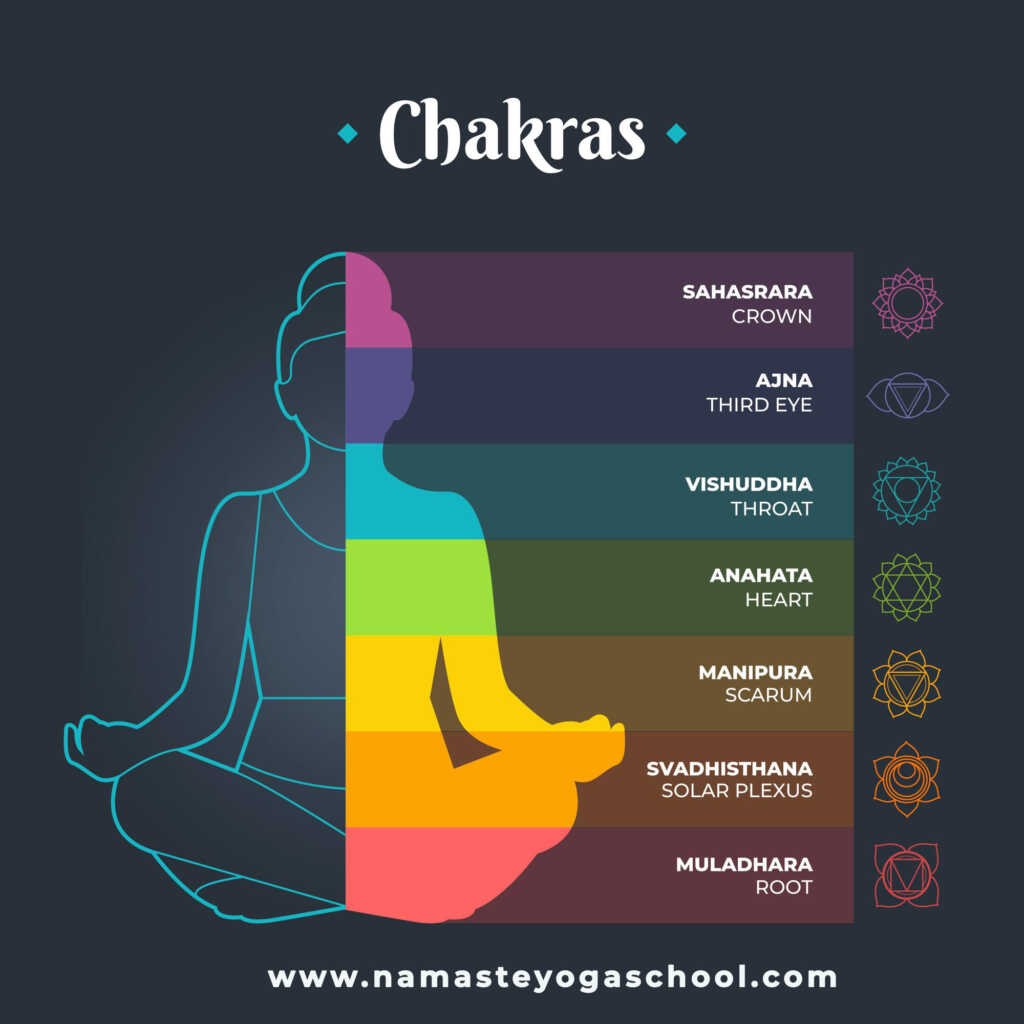
Before exploring the Kundalini chakras, it is important for you to know what Kundalini is, Kundalini means ‘coiled’ and it denotes the coiled snake that resides at the base of the spine. It is a divine force and a female one. However, Kundalini is not just limited to the above. The Kundalini Shakti on activation rises up the spine and then unites with the universe. This is the ultimate moment when you experience an out-of-body experience. The female energy merges with the male energy, leading to a divine union. Let us find out about the energy in more detail. What Is Kundalini Energy? You will be bewildered to know, that Kundalini energy has been present inside human bodies, since ancient times. We are born with it. However, many of us spend an entire lifetime, without knowing that exists in the first place. We try to look for happiness, perfection, and creativity outside when these are built in our psyche. Kundalini energy happens to be a strong female transformative force that has been studied for centuries. After its awakening, the energy travels through the energy centers of the body which are termed chakras. These are a part of the astral body. You can awaken the kundalini Shakti through various means, like asanas, meditation, breathing patterns, and chanting. Additionally, a Guru can also activate this underlying power through ‘Shakti path’. Kundalini Yoga is one of the practices that mainly focuses on the harnessing and proper utilization of this power. Physical poses or asanas, breath manipulation, and meditation perform very important tasks to activate and channelize this energy. Asanas facilitate the stimulation of the chakras, breath manipulation facilitates the movement of energy, and meditation helps in the final activation. The Seven Chakras Of Kundalini Yoga You have to study the Kundalini chakras system associated with the Kundalini energy, to understand this entire aspect in a better manner. The chakras are related to various aspects like physical strength, emotions, and spiritual experiences. There are seven important chakras in the body. If there is any blockage in any of the chakras, the kundalini energy fails to complete the journey to the crown chakra. It manifests itself in the form of various ailments and behavioral issues. For now, you should know about the chakras in detail. Root chakra (Muladhara Chakra) : Exploring The Kundalini Chakras – A Journey To Inner Transformation Sanskrit Name Muladhara Chakra (मूलाधार चक्र) Symbol Four-petaled lotus, a square, and a downward-facing triangle Colour The color of the chakra is red. Element Linked with the element earth Location Situated at the base of the spine, it is where all the body’s energy resources are Symptoms of a blocked Chakra: If the chakra is blocked, you may feel unstable, fearful, and lack ambition. Signs of a balanced Chakra A balanced root chakra results in more energy and positivity Mantra The root mantra is ‘Lam’. Yoga poses to balance the Chakra You can practice Vrikshasana and Tadasana, to balance this chakra. Sacral chakra (Svadhishthana chakra): The sacral chakra is associated with physiological processes like reproduction and the sense of taste. Sanskrit Name Svadhishthana chakra (स्वाधिष्ठान चक्र) Symbol Many circles, a crescent moon, and six petals of lotus flower Colour The colour of the chakra is orange. Element The element is water. Location It is located two fingers above the Muladhara chakra, below the belly button. Symptoms of a blocked Chakra: If the chakra is blocked, you may experience emotional blockages. You may also be obsessed or feel manipulative. Signs of a balanced Chakra A balanced chakra leads to satisfaction and intuition. Mantra The seed mantra is ‘Vam’. Yoga poses to balance the Chakra If you practice the Kakasana and Trikonasana regularly, you will be able to balance the chakra. Solar Plexus chakra (Manipur chakra): It represents ego and anger. It is the center of willpower. It represents the fire in the body and the sense of movement. Sanskrit Name Manipur chakra (मणिपुर चक्र) Symbol Downward-pointing triangle in a circle, with ten petals of the lotus flower Colour It has the colour yellow. Element Fire is associated with this chakra. Location The chakra is located between the belly button and the bottom of the rib cage. Symptoms of a blocked Chakra: A blocked solar plexus results in digestive issues, liver issues, and blood sugar. On a mental level, you might feel depressed, as well. Signs of a balanced Chakra A balanced Manipura chakra leads to confidence and more productivity. Mantra The seed mantra is ‘Ram’. Yoga poses to balance the Chakra You can practice the Uttanasana or Padahastasana or Paschimottasana, to balance the Manipura chakra. Heart chakra (Anahata chakra) : It is the seat of ‘Prana’. It rules feelings of love, empathy, and compassion. Sanskrit Name Anahata chakra (अनाहत चक्र) Symbol Two triangles facing opposite sides within a circle and 12 petals of the lotus Colour It is represented by the colour green Element It is represented by the air element Location It is the fourth chakra located along the spine. Symptoms of a blocked Chakra: Symptoms that your chakra is blocked are lack of trust, anxiety, and jealousy. Signs of a balanced Chakra More compassion, empathy, and motivated Mantra You must recite the seed mantra called ‘Yam’, to activate it. Yoga poses to balance the Chakra If you want to balance the Anahata chakra, you have to practice Ardha Setubandhasana and Matsyasana. Throat chakra (Vishuddha chakra): It represents spiritual development and growth. It is associated with the communication and dissemination of proper information. Sanskrit Name Vishuddha chakra (विशुद्धि चक्र ) Symbol A circle within a triangle, in a circle with 16 petals of the lotus. Colour The colour of this chakra is blue Element The element is space Location It is located at the base of the throat, in the same position as the Thyroid gland. Symptoms of a blocked Chakra: Any blockages in the throat chakra leads to timidity, weakness, and a sense of dissatisfaction. Signs of a balanced Chakra When this chakra
Understanding The Aspects of Hatha Yoga – Tips for Beginners
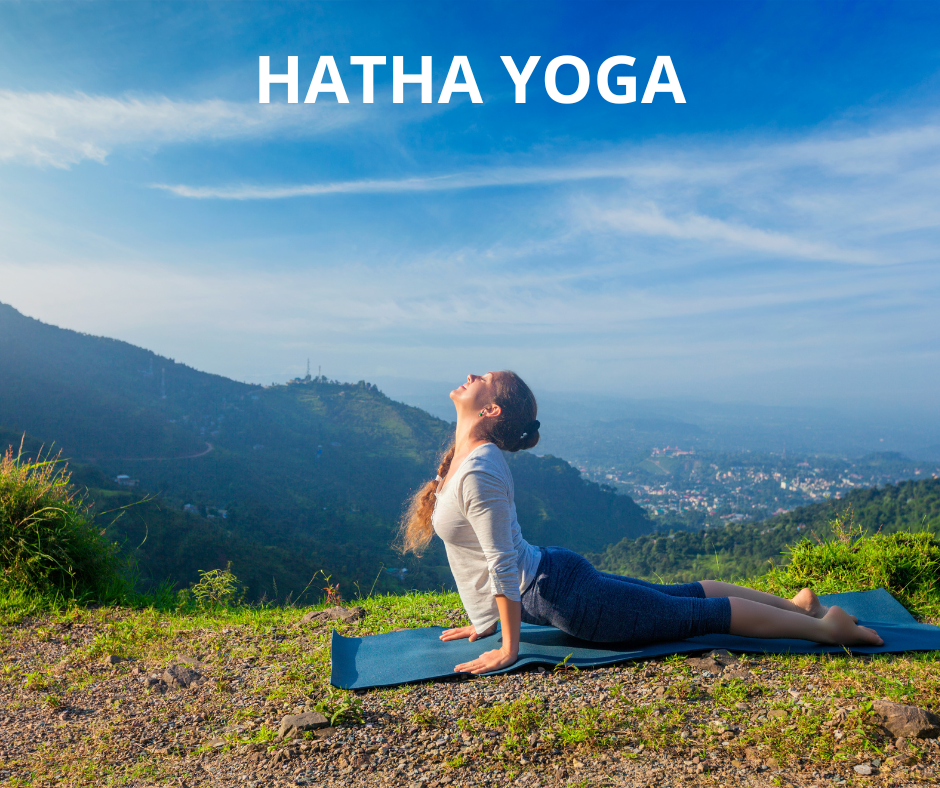
If you want to know about authentic Hatha Yoga, then you should read Hatha Yoga Pradipika. This book stresses the development of self-discipline and control. The other textbooks which speak about Hatha Yoga are Gheranda Samhita, the Upanishads, and the Puranas. So, as a beginner, you should have a copy of either of the above. Hatha Yoga is the first yogic form that came down from Adidev, and it prepares the individual for higher states of consciousness. The very essence of Hatha Yoga is forgotten today. Most people practice this form, for physical benefits, rather than mental ones. Hatha Yoga does strengthen the external body so that the practitioner can see within. Internal purification is one of the lessons that Hatha Yoga teaches. You will be able to learn about all the aspects of this divine practice, given the right guidance. You will unearth a huge reservoir of information, as you progress here. As a beginner, you must follow some guidelines. Understanding the Origins and Philosophy Of Hatha Yoga As we were discussing, Hatha Yoga has changed its trajectory in the course of time. When it was created by Lord Shiva, it was more philosophical in nature. Patanjali had also penned down one of the most valuable written scripts for the future generations to follow, named The Yoga Sutras. The book mentions the 8 limbs of Hatha Yoga, which include Yama, Niyamas, Asana, Pranayama, Pratyahara, Dharana, Dhyana, and Samadhi. No matter which yoga form you learn today, it originated from Patanjali’s Yoga Sutras. According to the texts, the eight limbs of yoga form the moral codes of conduct for all yoga practitioners. For most of you, accepting Samadhi may pose challenges. You need a lot of perseverance to be on the right track. Setting Realistic Goals The actual purpose of Hatha Yoga is to open the consciousness toward the realization of the self. All those who aim to reach the final state of enlightenment must follow a few steps. In order to unlock the benefits of Hatha Yoga, one needs to follow the teachings of Verse 16 of the Hatha Yoga Pradipika. They include the practice of positive attitude, perseverance, mindful discrimination, immovable faith, courage, and the avoidance of the company of negative people. Staying Consistent With Your Practice You should try to maintain regularity with your Hatha Yoga practice. Set a time each day, for the same. It is not always necessary to start big. You can start with easy asanas and kriyas. You must also ensure to choose a good teacher, who will inspire you. You can master Hatha Yoga if you keep the above aspects in mind. If you are a beginner, who is just starting out, stick to the keys to attain prosperity through yoga.